Off-Grid Wastewater Management: Simple Habits for a Hassle-Free Septic System
Septic systems play a crucial role in managing the waste of residential and commercial properties without a connection to a public sewer system. If you rely on an on-site wastewater treatment unit, prioritizing regular care from a reputable septic service provider in Charlotte, NC can ensure reliable performance and reduce the risk of environmental damage. However, many people rarely think about their off-grid systems until issues arise that require professional intervention. At Septic Blue of Charlotte, we recommend taking a proactive approach toward regular care to prevent premature failure and unnecessary disruptions. Here are simple habits you can adopt to your routine for a stress-free septic system year-round.
Routine Septic Pumping
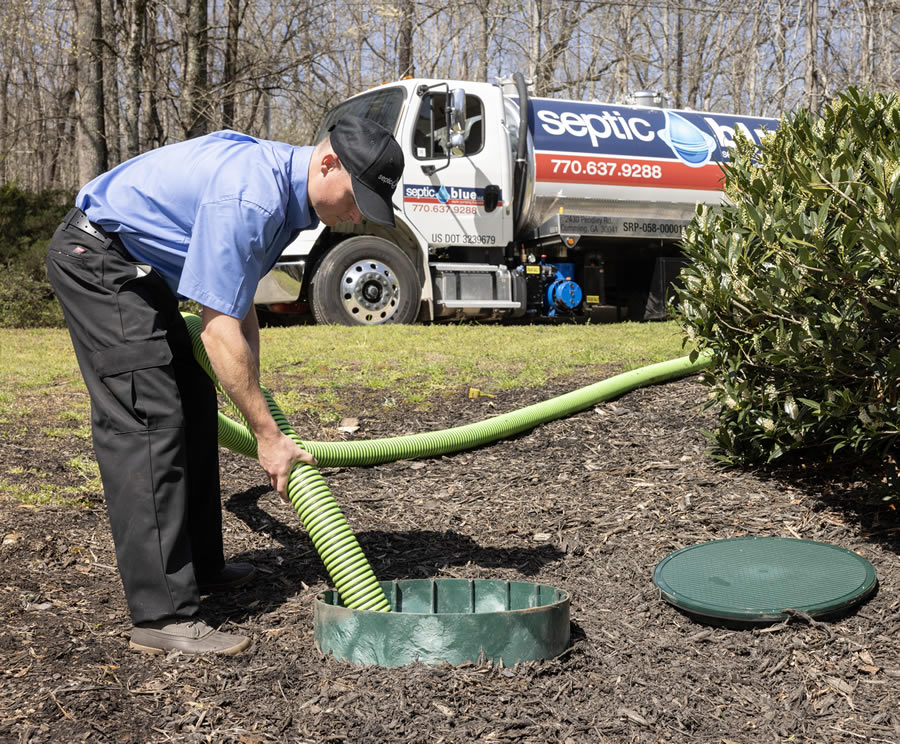
As a property owner with an off-grid wastewater management system, prioritizing routine septic pumping and inspections goes a long way to ensure reliable performance for many years to come. Wastewater from your building collects in the tank for separation, forming a thick layer of sludge if left unattended for a long time. In severe cases, solids can overflow into the drain field, leading to clogs, backups, and even system failure. According to septic service professionals, pumping every 3-5 years can help maintain safe wastewater levels and ensure hidden issues don’t escalate into bigger, more expensive problems.
Conserve Water
Wastewater from your residential or commercial building collects in the tank for separation before liquid waste flows into the drain field for further treatment. With this in mind, excessive water use can overwhelm your unit, disrupting this process and causing solids to clog the drain field. The reality is that septic units need time to break down waste, and flooding the system can be detrimental in the long run. Start by installing high-efficiency fixtures, spreading out water-intensive activities, and fixing leaks to ensure the bacteria in your tank have enough time to do their job.
Responsible Waste Disposal
A common misconception is that if it goes down the toilet, it is safe. This is not the case, as septic systems are designed to handle human waste and toilet paper. Flushing the wrong items can create an imbalance in the tank and cause blockages that require professional septic cleaning. Never flush items labeled ‘flushable,” such as hygiene products, paper towels, baby wipes, diapers, or dental floss. These items don’t break down easily and often clog pipes if ignored. Additionally, flushing medications, paint, antifreeze, and other chemicals can contaminate your drain field and seep into groundwater. By practicing responsible disposal habits, you can enjoy a reliable and efficient system all year round.
Protect and Maintain the Drain Field
The drain field is one of the most crucial components of an off-grid wastewater system. Liquid effluent from the tank flows into the drain field for filtration before being released into the ground. One of the most common mistakes is parking heavy equipment and vehicles near or on the drain field. This leads to soil compaction and drain field damage, which costs a fortune to resolve. Additionally, tree roots can infiltrate your drain field pipes, causing leaks, blockages, and ultimately system failure. A professional septic company can help you locate your drain field and provide a custom care plan to ensure the area is protected from accidental damage.