Identify Possible Causes Without Entering the Sewage
A basement sewage backup can have several underlying causes. A blocked sewer line may prevent wastewater from leaving the house, while tree roots, damaged pipes, or accumulated debris can restrict drainage. If your property uses a septic system, an overflowing tank, clogged outlet filter, or saturated drainfield may also contribute to the problem.
You may notice warning signs such as gurgling drains, multiple slow-moving fixtures, sewage odors, or wet areas near the septic tank and drainfield. These symptoms can help the septic company narrow down the source, but avoid opening the tank or attempting to clear a blockage yourself.
Call a Septic Professional for Emergency Septic Service
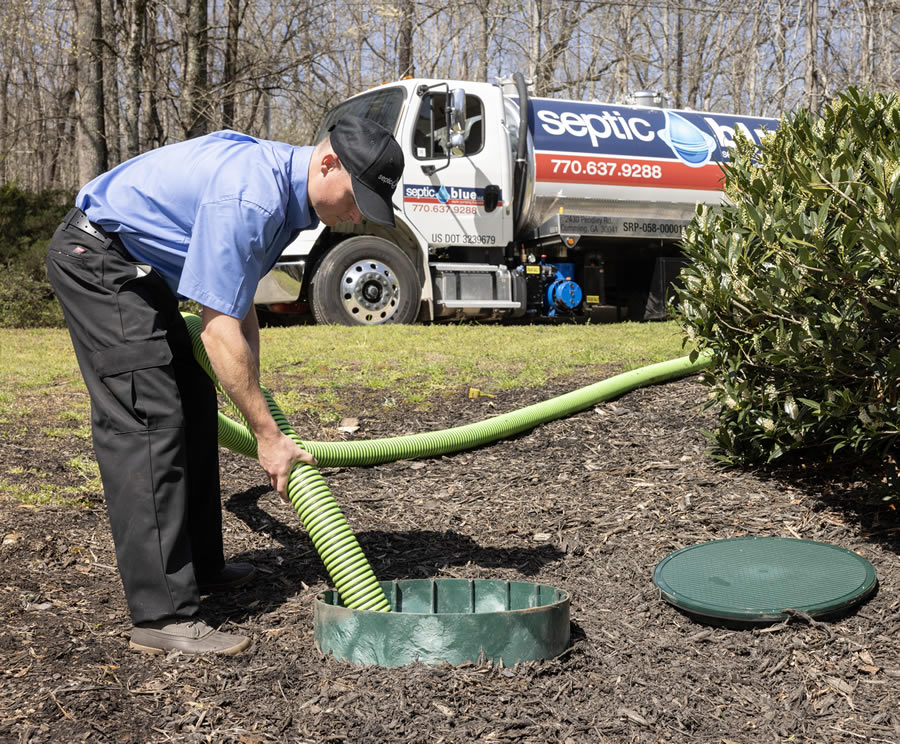
Once everyone is away from the affected area and water use has stopped, contact a professional septic company. The technician can inspect the system, determine whether the tank needs septic pumping, and check for blockages or damaged components. If the problem originates in the sewer line rather than the septic tank, additional plumbing inspection and repair may be necessary.
Avoid using chemical drain cleaners or pouring disinfectants into the septic system. These products may interfere with the biological processes that help break down waste and will not resolve a major overflow. Septic Blue of Charlotte is the name you can count on when you need reliable septic services.
Arrange Professional Sewage Cleanup and Disinfection
Removing visible wastewater is only part of the cleanup process. Contaminated flooring, carpets, insulation, drywall, and other porous materials may need to be removed and properly disposed of. The affected surfaces also require professional cleaning and disinfection.
A septic cleaning expert can assess the extent of contamination, remove damaged materials, and address lingering moisture that could encourage mold growth.
Do You Need Septic Service? Contact Septic Blue of Charlotte Today
Dealing with a septic overflow is a stressful experience, but taking fast action can help minimize damage and health risks. Stop water usage, prioritize safety, and contact a reputable septic company for help. Septic Blue of Charlotte is here to help you with all your septic needs. Our septic technicians have the expertise, experience, and advanced tools to get the job done correctly. From septic pumping to new septic tank installation and drain field repair, we’ve got you covered. Contact us with any questions or concerns you have regarding our septic services!