Your drain field does the final heavy lifting in your septic system by filtering wastewater into the soil after the tank does its job. It's also the most expensive component to replace if something goes wrong, and many homeowners don't realize there's a problem until the damage is already done. Septic Blue of Charlotte approaches every service call with your drain field's health in mind, because keeping it going saves you thousands in potential repairs. Read more to find out what threatens your drain field, how routine service prevents long-term damage, and which warning signs need professional services.
What Your Drain Field Does and Why It's Vulnerable
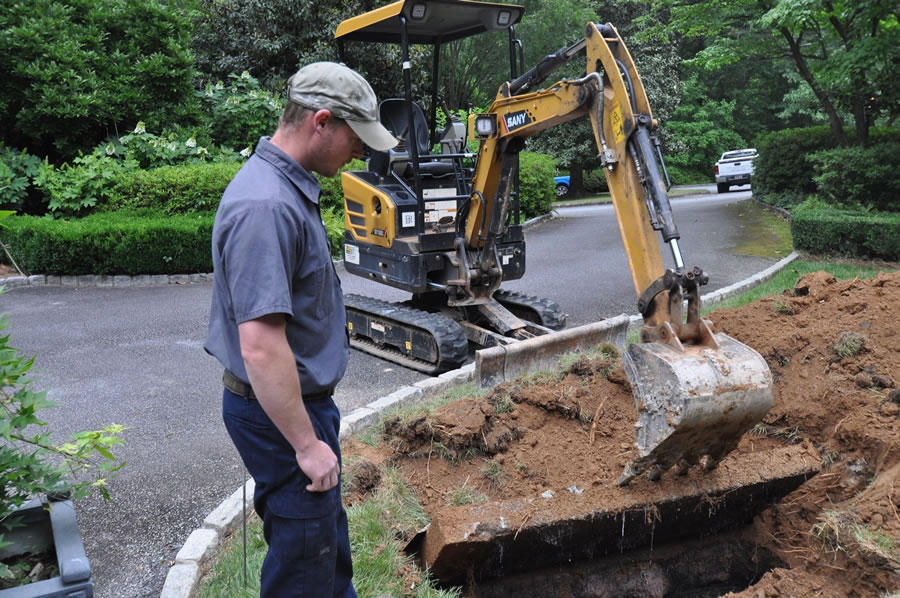
The drain field consists of perforated pipes buried in gravel trenches beneath your yard. Liquid effluent flows from your septic tank into these pipes and seeps through small holes into the surrounding gravel. From there, the wastewater percolates down through layers of soil where bacteria break down contaminants before the water rejoins the groundwater table. The natural filtration process works quietly for decades when conditions stay favorable. The problem is that drain fields operate underground and out of sight. Soil compaction from vehicles parked overhead crushes the pipes and collapses the gravel beds. Tree roots look for moisture and nutrients in the trenches and puncture the piping. Excessive water volume overwhelms the soil's absorption capacity and creates soggy, smelly patches in the yard. Grease and solid waste clog the perforations and coat the gravel with a thick biomat layer that blocks drainage. Once a drain field fails, the pipes and gravel must be excavated and hauled away. New trenches require fresh gravel, new distribution pipes, and proper grading. Some properties need engineered alternative systems when soil conditions won't support conventional drain fields. A professional septic company focuses on preventing this scenario.
How an Overfull Tank Sends Solids Where They Shouldn't Go
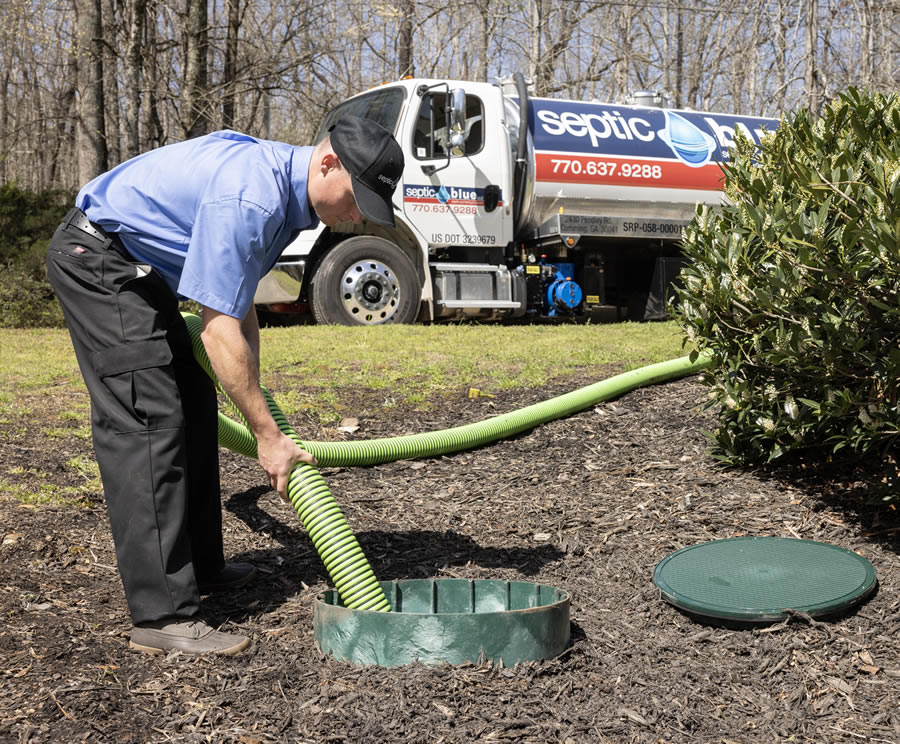
Your septic tank exists to separate solid waste from liquid effluent before anything reaches the drain field. Heavy solids fall to the bottom and form the sludge layer. Lighter materials like grease or soap scum float to the top. In the middle sits clarified liquid that flows out through the outlet baffle and into the drain field pipes. The separation works well under normal conditions, but when too much time passes between septic pumping appointments, the sludge layer builds higher, and the scum layer thickens. Eventually, these layers encroach on the outlet pipe. Solid particles escape into the effluent stream and travel to the drain field. Once solids enter the perforated pipes, they settle in the gravel beds and begin clogging the ground. A thick biological mat forms as bacteria colonize the accumulated waste. Water backs up because it can't percolate through the clogged soil. The damage compounds with every flush because new solids continue arriving while old deposits never decompose fast enough. Professional technicians measure sludge and scum levels during every inspection. They calculate how quickly your household generates waste and recommend septic pumping intervals based on accumulation rates so that solids never reach the outlet pipe.
The Inspection Steps That Catch Drain Field Problems Early
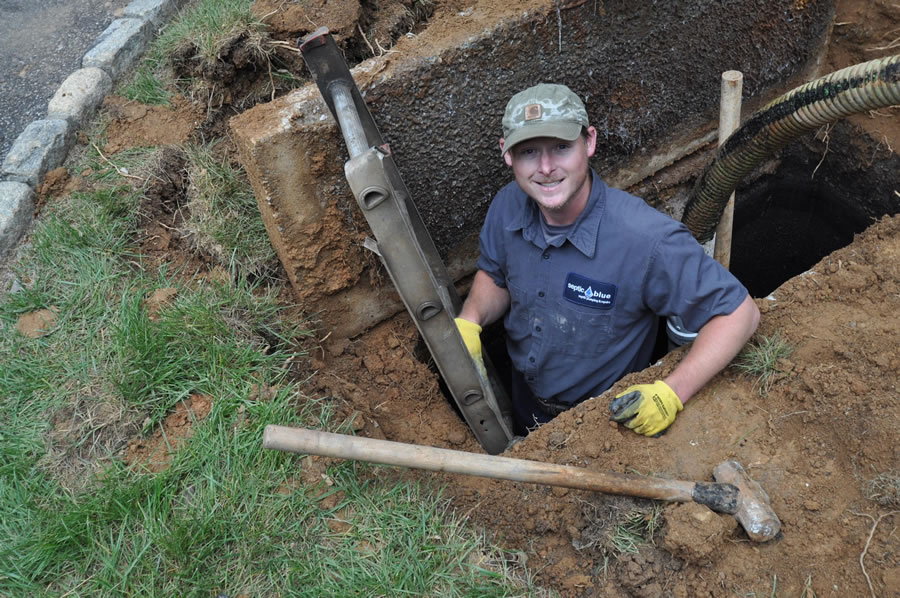
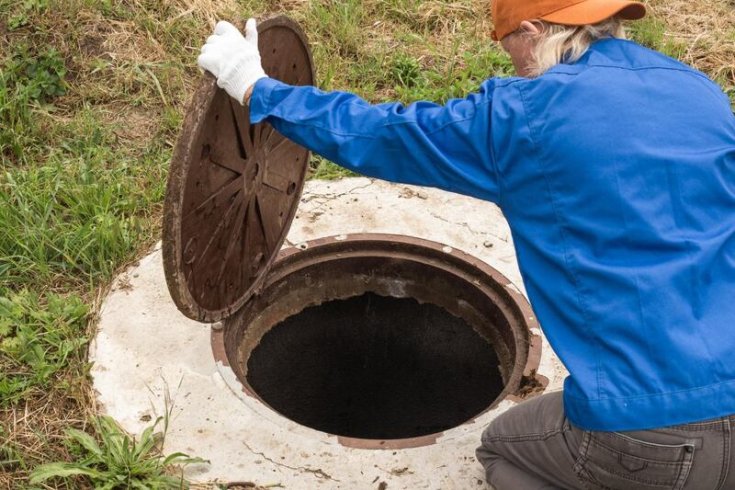
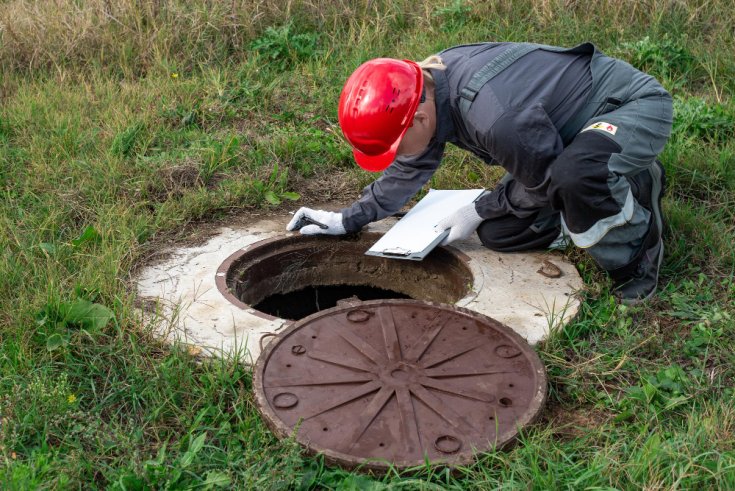
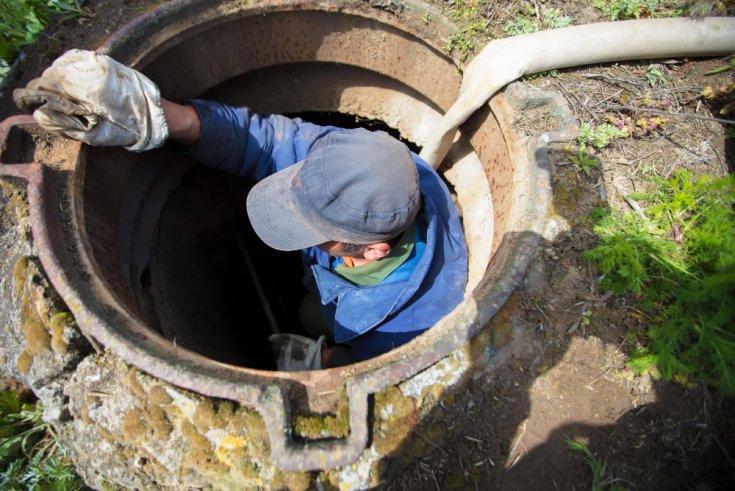
A septic service appointment begins by locating and uncovering the access ports. Septic specialists measure the depth of the sludge layer and the thickness of the scum layer first. These measurements establish data for tracking accumulation rates. After pumping, technicians inspect the interior tank walls for cracks, corrosion, or root intrusion. They check the inlet and outlet baffles for damage or blockages. A damaged outlet baffle allows solids to escape even when tank levels appear normal. The technician also inspects the effluent filter if your system has one installed. Drain field inspection also involves checking the distribution box where effluent splits into multiple trench lines. Technicians look for standing water in the box or signs of root penetration. They might walk the drain field area and look for wet spots, lush grass strips, or odors that indicate saturation or surfacing effluent. Some septic cleaning appointments include camera inspection of the distribution pipes. A small waterproof camera travels through the lines and reveals cracks, root masses, or sediment buildup inside the pipes to catch problems that lead to system failure.
Recognizing the Warning Signs of a Struggling Drain Field
Your drain field sends distress signals, and knowing what to watch for lets you call for help while repairs remain possible. Slow drains throughout the house suggest the system can't accept water fast enough. Gurgling sounds from toilets and drains could mean that air is trapped in the lines as water struggles to flow outward. Sewage odors in the yard point to effluent surfacing through saturated soil. Standing water or spongy ground in the drain field zone means the soil isn't absorbing the liquid volume. Sewage backing up into basement drains or ground floor fixtures signals the entire system has reached capacity. Drains that once emptied instantly now take several seconds longer, and toilets that flushed powerfully now swirl weakly before clearing. Scheduling regular septic cleaning appointments with the same company creates continuity. Technicians review their notes from previous visits and notice when conditions deteriorate. They alert you to developing problems while solutions are still affordable. A drain field caught early in distress might recover with reduced water usage and targeted treatments. A drain field discovered after complete failure requires full replacement. The choice between a repair bill and a five-figure replacement project depends entirely on how quickly you respond to warning signs.