Pooling Water in Your Yard: Septic Warning Sign?
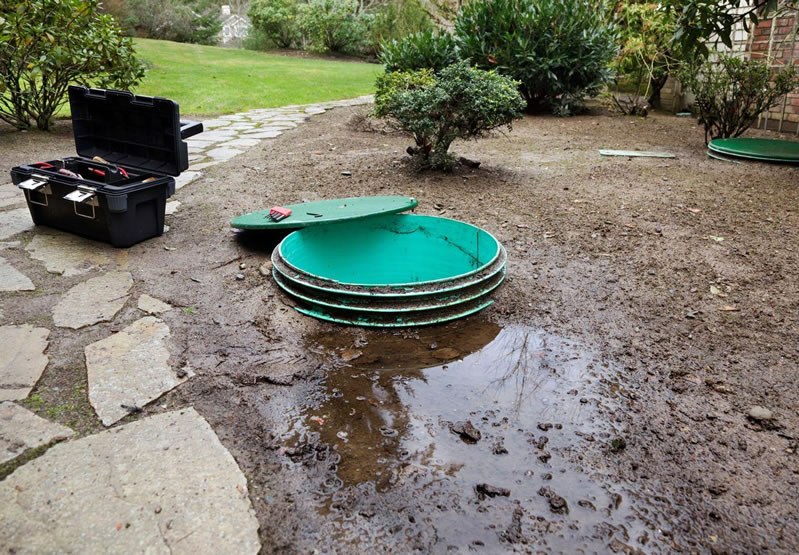
You walk outside after a few days without rain and notice a soggy patch of grass near the back of your property that shouldn't be there. Maybe it smells, or the grass in that one area is suspiciously greener than everywhere else. Either way, something's wrong, and your gut instinct is probably right. Pooling water in your yard is one of the most visible warning signs that your septic system is struggling, and yet it's also one of the most frequently dismissed symptoms because homeowners assume it's just a drainage issue or a low spot collecting runoff. At Septic Blue of Charlotte can help. The truth is that healthy septic systems shouldn't produce any visible signs above ground, so when water starts appearing where it shouldn't, your system is trying to tell you something important. Catching these signals early can be the difference between a manageable repair and a complete system replacement that costs tens of thousands of dollars. We're going to explain exactly why this happens, what's going on beneath the surface, and what steps you should take the moment you notice something unusual in your yard.
What Healthy Drain Fields Look Like Above Ground
A properly working drain field should be invisible in terms of performance. The grass above it grows at the same rate as the surrounding lawn, and the soil stays dry unless you've had recent rainfall. You won't notice any smells when you mow over that section of your property. The ground won't sink under your feet or squish when you walk across it. This invisibility exists because a healthy system moves wastewater through perforated pipes buried in gravel trenches, and the soil absorbs and filters the liquid. Bacteria in the soil break down remaining contaminants, and the water eventually joins the groundwater table far below. When everything works as designed, you'd never know thousands of gallons of household wastewater pass through that patch of land every year. That's why any deviation from this baseline matters. Soggy ground, lush green strips, or standing puddles all indicate that liquid isn't absorbing into the soil the way it should. The system has lost its ability to process wastewater at the rate your household produces it, and excess fluid has nowhere to go but up.
Why Saturated Soil Points to System Overload
Saturated soil above your drain field tells you that more liquid is entering the system than the soil can absorb. Several scenarios cause this imbalance. Your tank may have accumulated too much sludge because you've delayed septic pumping beyond the recommended interval, which forces solids into the drain lines and clogs the distribution pipes. Heavy water use in a short period can also overwhelm the system. Running multiple loads of laundry, hosting guests for a holiday weekend, or a malfunctioning appliance that leaks water into your drains can push volume beyond what your drain field handles in a 24-hour window. Soil compaction from parking vehicles over the drain field reduces the ground's ability to accept liquid. Tree roots that have invaded the pipes block the flow and force water to back up toward the surface. Each of these problems produces the same visible result. The saturated ground can't process additional input, so wastewater rises through the soil layers until it breaks through the surface. Ignoring this symptom allows the problem to compound. Biomat is a black, slimy layer of organic material that builds up faster in flooded conditions and further reduces soil permeability. What starts as a soggy patch becomes a permanently failed drain field within months if you don't take care of the root cause.
How Clogged Drain Lines Create Surface Water
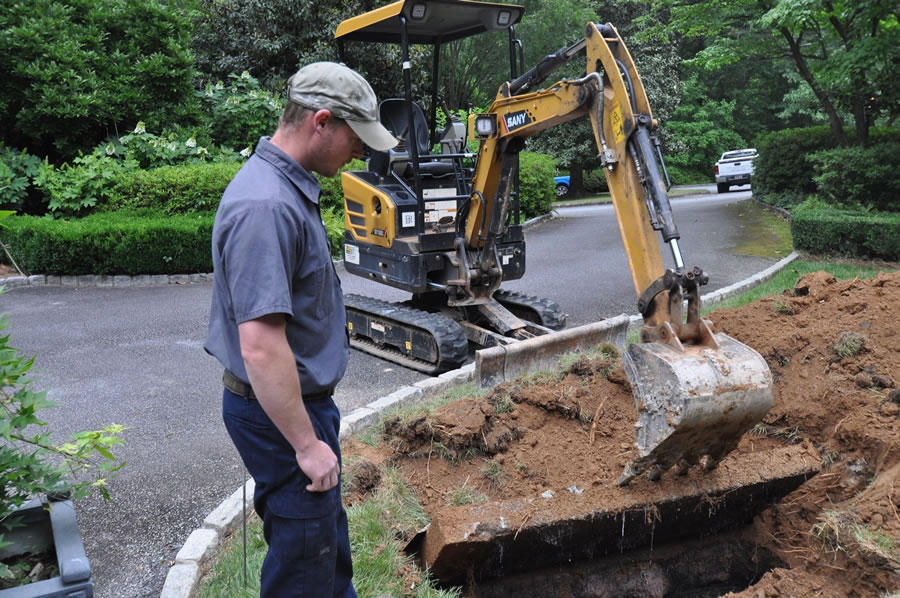
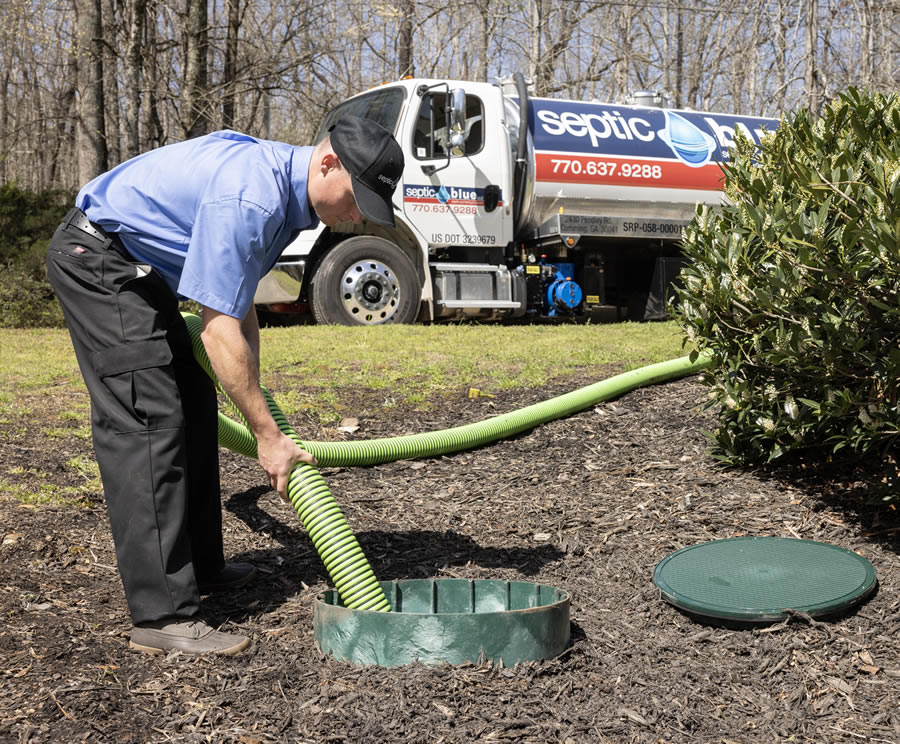
The pipes that distribute wastewater from your tank into the drain field contain small perforations along their length. These holes allow liquid to seep out gradually across the entire field, which gives the soil adequate time to absorb and filter each batch of water. When sludge escapes an overfilled tank and enters these pipes, it accumulates at the perforations and inside the pipe walls. The blockage restricts flow to certain sections of the field while forcing excess liquid through whatever openings remain clear. This uneven distribution creates localized flooding because some areas receive far more water than they can handle. Grease and fats that enter your system through kitchen drains solidify inside the cooler pipes and contribute to these blockages. Flushing items like wipes, feminine products, or excessive paper products accelerates clog formation. A professional septic cleaning removes the sludge layer from your tank and prevents this material from reaching your drain lines in the first place. Once clogs form in the distribution pipes themselves, you'll need more invasive repairs. Technicians may need to jet the lines with high-pressure water, replace damaged sections, or, in severe cases, install an entirely new drain field. Regular septic service appointments catch rising sludge levels so they don't cause this cascade of damage.
Immediate Steps to Take When You Spot Standing Water
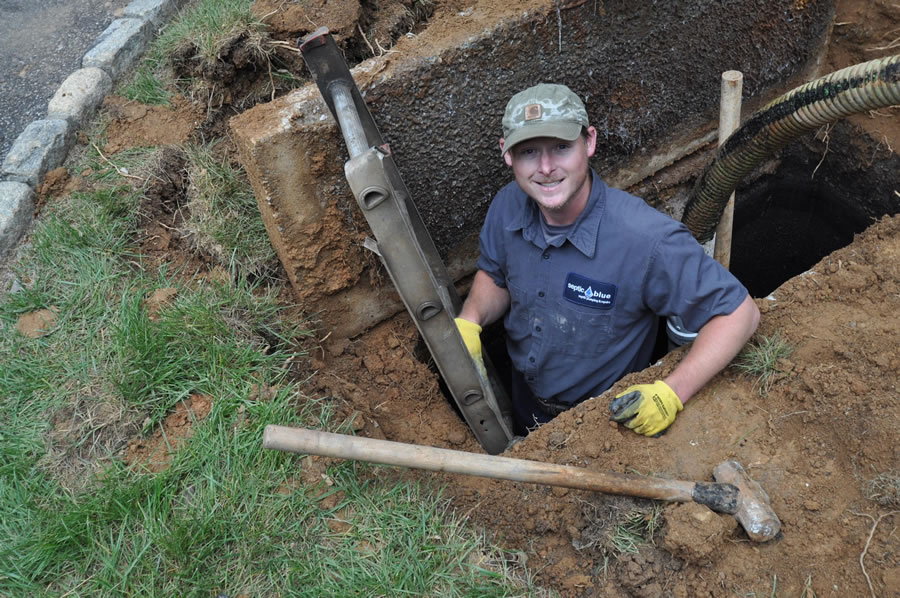
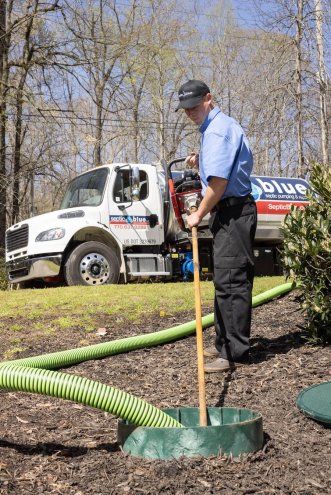
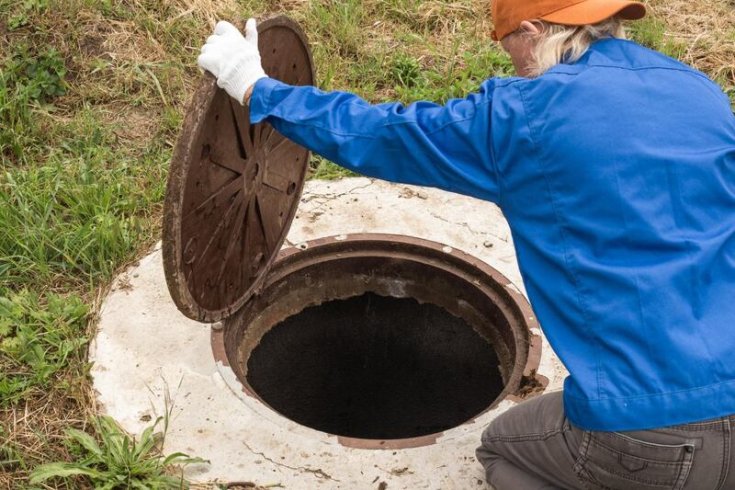
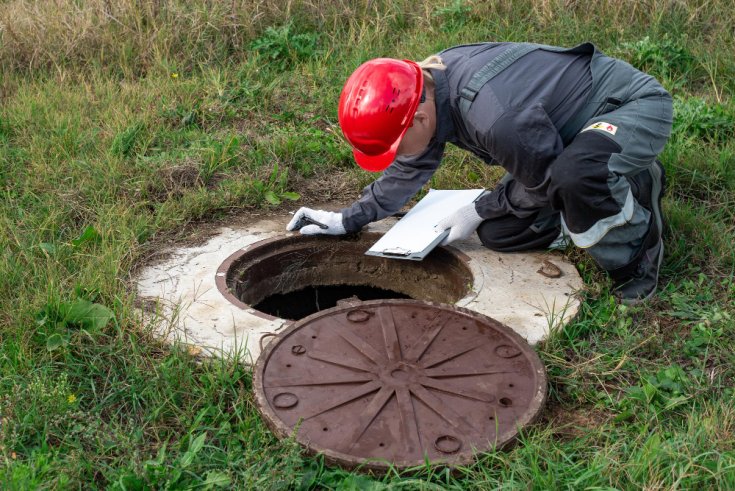
The moment you notice pooling water, reduce your household water consumption. Stop running the dishwasher and washing machine. Take shorter showers. These measures buy your system time to process the backup and prevent additional flooding. Mark the affected area with small flags or stakes so you can monitor whether it expands over the coming days. Do not drive vehicles over the soggy ground or allow heavy foot traffic across it. Compaction worsens absorption problems and can collapse already saturated soil. Contact a reputable septic company to schedule an inspection. A technician will check your tank levels, inspect the baffles that prevent solids from escaping, and evaluate whether your drain field shows signs of failure. Septic pumping may resolve the issue if an overfilled tank caused the backup. More serious problems require additional diagnostics. The technician may use a camera to examine your drain lines or conduct a dye test to trace where wastewater surfaces. Document everything you observe, including dates, weather conditions, and any changes to the affected area. This information helps the technician pinpoint causes faster. Acting within days of noticing the problem gives you the best chance of avoiding a full system replacement.