Septic Problems During Heavy Rainfall
Nothing exposes a struggling septic system faster than a week of heavy rain. What seemed to be working fine suddenly backs up into your yard or your house, and you're left wondering what went wrong. At Septic Blue of Charlotte, we field more emergency calls during and after major storms than at any other time of year. Septic problems during heavy rainfall aren't random bad luck. They're usually warning signs that something in your system was already compromised. The frustrating part is that most of these situations are preventable with the right knowledge and maintenance tasks. Keep reading to find out why rain wreaks havoc on septic systems and what you can do to protect your property before the next storm rolls through.
How Saturated Soil Disrupts Normal Septic Function
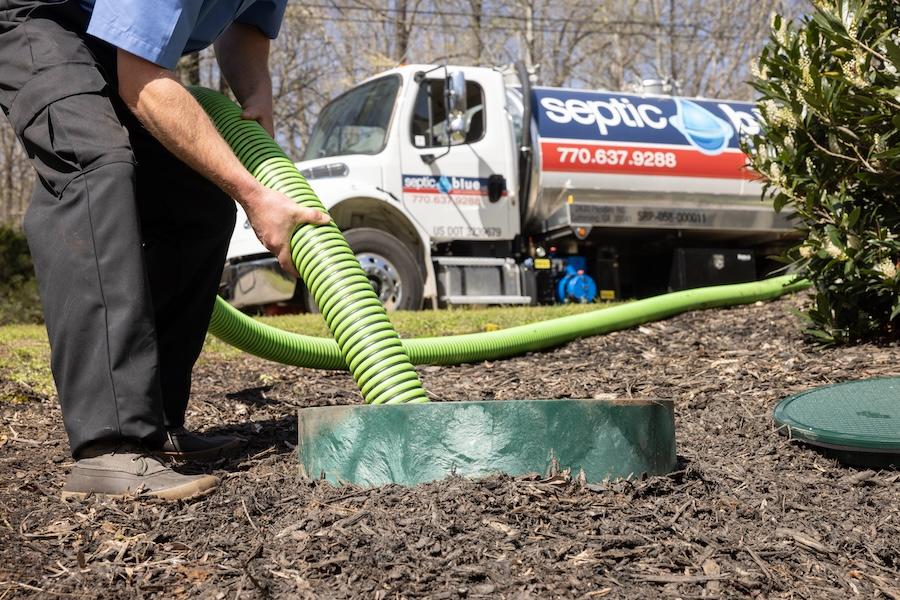
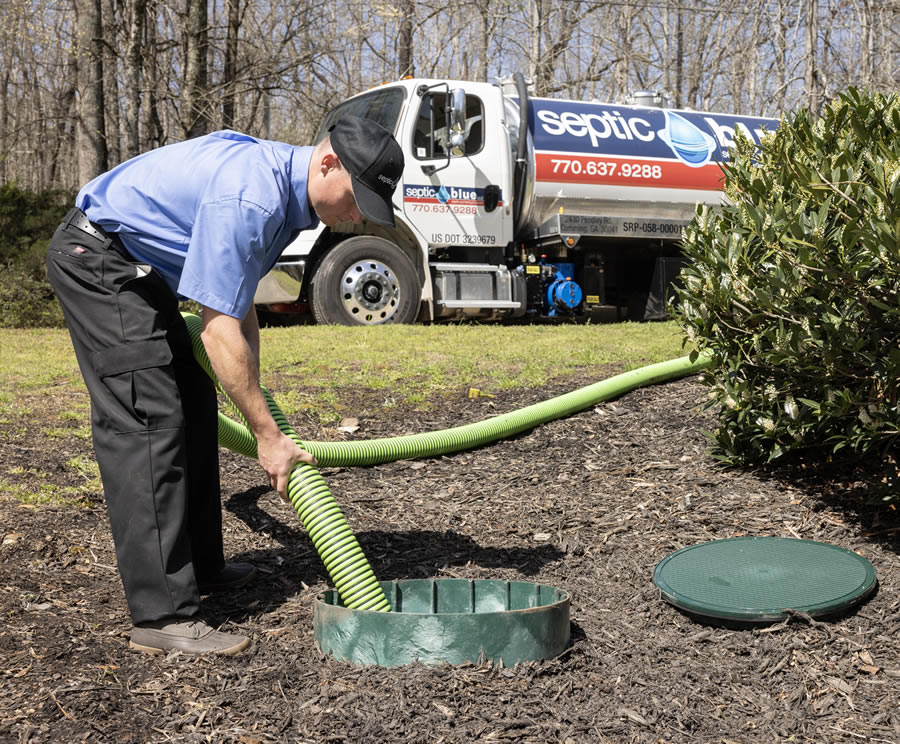
Your septic system depends on dry, porous soil to filter and absorb wastewater from the drain field. When heavy rain saturates the ground, the soil loses its ability to accept more liquid. The water rises, and suddenly there's nowhere for effluent to go. Wastewater backs up through the pipes because the system has no outlet. A tank that was operating fine last week now has effluent sitting in the lines with nowhere to drain. The backup puts pressure on every component, from the distribution box to the household plumbing. Homes in low-lying areas or properties with clay-heavy soil face the worst outcomes because water drains more slowly and pools longer. Scheduling a septic pumping before storm season removes solids and gives your tank more capacity to handle slowdowns. Without the buffer, even moderate rainfall can push a borderline system into failure.
Warning Signs Your System Is Struggling
The earliest indicators usually show up indoors before you notice anything in your yard. Toilets that flush too slowly or gurgle after use point to drainage issues somewhere in the line. Sinks and showers may drain sluggishly, and you might notice a sewage smell near floor drains or in the basement. Outside, look for wet patches or standing water above the drain field, especially if that area stays soggy days after the rain stops. Grass that looks unusually green and lush over the drain field could mean effluent is rising to the surface instead of filtering down. You may also notice soft, spongy ground when you walk over the area. These symptoms suggest the system can't process waste at its normal rate. Ignoring them risks a full backup into your home, which creates health hazards and expensive cleanup costs. A septic company can help determine if the problem is temporary saturation or a sign of more serious damage.
Preventive Measures to Prepare for Rainy Seasons
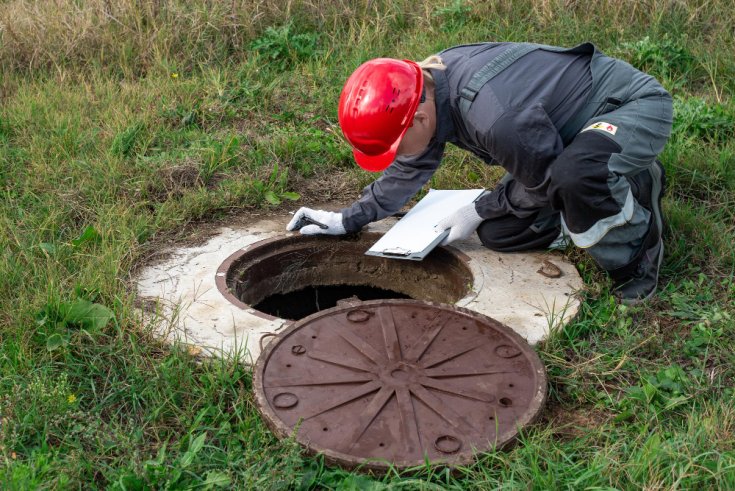
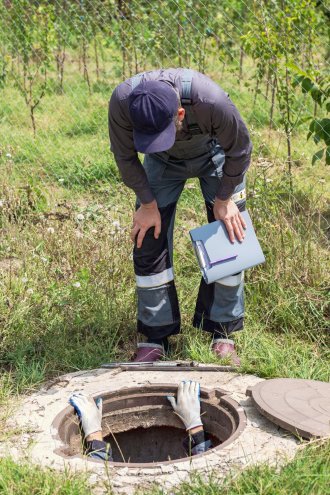
Preparation starts months before storm season arrives. Have a professional inspect your tank, distribution box, and drain field while it's dry. This inspection reveals cracks, root intrusion, or buildup that could cause failures under pressure. Septic cleaning removes sludge and scum layers that reduce your tank's working volume. A tank operating near capacity has zero margin for error. Make sure your gutters and downspouts point roof runoff away from the drain field. Water dumping onto that area speeds up saturation. Grade your landscape so surface water flows away from septic components, not toward them. Don't drive or park on the drain field. Compacted soil doesn't drain well. Inside the house, spread out your water usage when it's raining. Running the dishwasher, washing machine, and showers one after another sends more volume through the system than it can handle. Space activities like these throughout the day to give your tank time to work. These steps won't make your system invincible, but they dramatically reduce the chance of an emergency.
When Heavy Rain Damage Requires Professional Repair
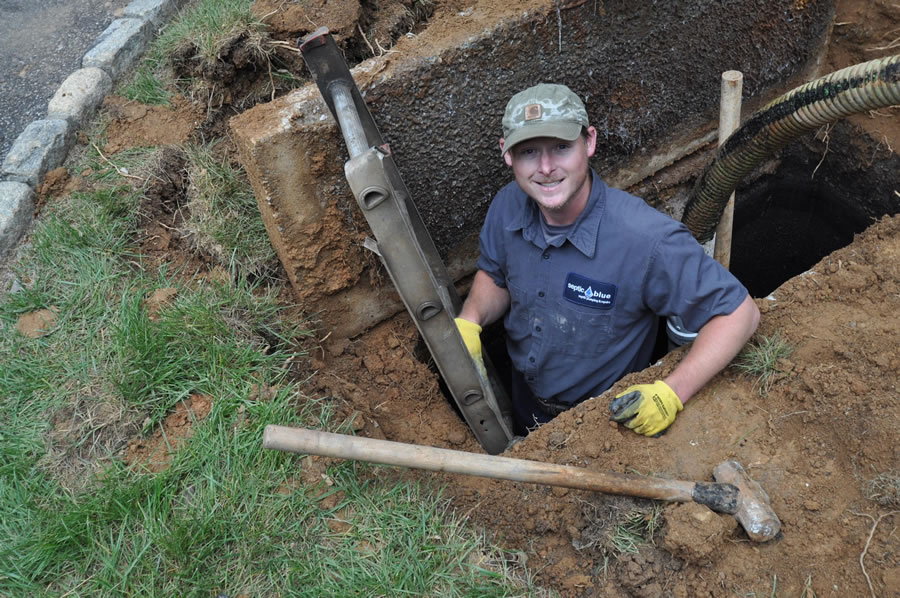
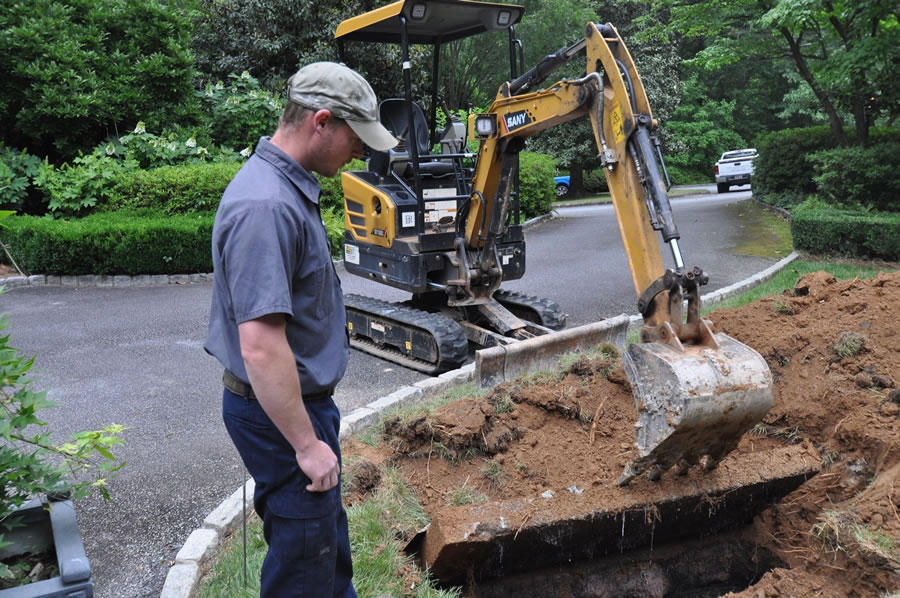
If backups continue after the ground dries out, structural damage may exist in your tank or drain field. Cracks in concrete tanks allow groundwater to flood inward, which dilutes bacteria and disrupts the treatment process. Collapsed or crushed pipes in the drain field block effluent flow. Tree roots that infiltrate lines during dry months expand when saturated and can split pipe joints apart. A failing distribution box sends uneven amounts of effluent to different sections of the drain field, and overloads some areas while leaving others dry. Repairs require excavation, replacement parts, and skills that go well beyond routine septic service. Technicians use camera inspections to pinpoint damage locations without unnecessary digging. They can also perform soil tests to determine whether your drain field has failed permanently or just needs time to recover. Waiting too long to fix these issues leads to complete system replacement rather than basic repairs. The cost difference between fixing one component and installing an entirely new system runs into thousands of dollars.